
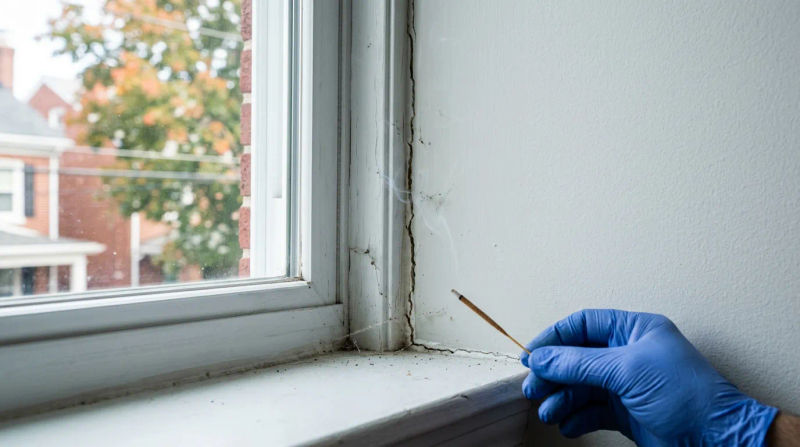
I’m Derek Mallory, and after 14 years on job sites around our area, I’ve learned that houses have their own way of talking to you - especially as the seasons change. Have you ever been sitting in your living room on a crisp autumn evening, maybe with a cup of coffee, and felt a persistent, chilly breeze that makes you pull your sweater a little tighter? You check the window, and it’s locked shut. That phantom draft is your house telling you it has a problem, and it’s one my team and I see all over York every fall.
As temperatures drop, the warm air inside your home tries to escape, and cold air tries to get in. It finds the path of least resistance, which is almost always through tiny cracks and gaps where old sealant has failed. This is more than just a comfort issue; it’s an energy and money issue. Before you crank up the thermostat for the winter, let’s walk through how to spot these problem areas.
Common Signs and Symptoms
Identifying air leaks starts with knowing where to look. Based on the hundreds of homes I’ve worked on, these are the most common spots where failed caulking and sealing create those uncomfortable drafts. This is a great starting point for your fall home sealing checklist.
- Around Windows and Doors: This is the number one culprit. You might feel a direct draft, see daylight around the frame, or notice the old caulk is visibly cracked, peeling, or missing. In many of the beautiful pre-1940s brick rowhomes in York, the original large windows can be a major source of drafts if the seals between the wood trim and the brick facade have deteriorated over the decades. If you have drafty windows York PA homeowners know the feeling all too well.
- Baseboard Gaps: Look at the line where your baseboards meet the floor. Do you see a gap? Air from the basement, crawlspace, or from within the wall cavity can seep through here. This is especially common in older homes that have settled over time, creating a noticeable baseboard gap caulk York residents often ask me about. A simple visual inspection can reveal a lot.
- Exterior Siding and Trim: Walk around the outside of your house. Pay close attention to where different materials meet. Look at corner trim boards, the spot where your siding meets the foundation, and the trim around windows and doors. Gaps here allow air and moisture to get behind your siding, which can lead to much bigger problems than just a draft.
- Plumbing and Utility Penetrations: Any place a pipe, wire, or vent enters or exits your home is a potential air leak. Check around your outdoor water spigots, the main electrical service lines, gas pipes, and dryer vents. The original sealant in these spots often fails after just a few years.
- Attic and Basement Connections: The connection point between your home’s foundation and the wooden frame (called the rim joist or band joist) is a massive source of air infiltration. While it’s hidden in your basement or crawlspace, sealing it can have one of the biggest impacts on your home's comfort and energy efficiency.
- Recessed Lighting and Outlets: On a windy day, hold your hand near an electrical outlet or a recessed light on an exterior wall. You might be shocked to feel a steady stream of cold air. These small openings act like tiny straws, pulling cold air directly into your living space.
- Where the Chimney Meets the Siding: If you have a brick or stone chimney, the seam where it meets your home’s siding is a critical point that requires a flexible, durable sealant. Over time, expansion and contraction can pull these materials apart, creating a significant gap.
What Causes This Problem
Caulk doesn't last forever. Understanding why it fails can help you choose the right fix and prevent future issues. The primary cause is simply age and exposure to the elements. UV rays from the sun break down the chemical structure of caulk, making it brittle. The dramatic temperature swings we experience in Pennsylvania, from hot, humid summers to freezing winters, cause building materials to constantly expand and contract. If the caulk isn't flexible enough to move with them, it will crack and pull away.
In many of the historic homes in York, building settlement is a major factor. These structures have been standing for over a century and have naturally shifted and settled. This movement puts stress on rigid points, and old, hardened caulk is often the first thing to give way, creating gaps that weren't there a decade ago.
Finally, improper application is a common issue I see. Someone may have used an interior-grade caulk for an exterior job, or they didn't properly clean the surface before applying it. Without a clean, dry surface to adhere to, even the best sealant is destined to fail prematurely. Effective caulking and sealing is as much about preparation as it is about application.
When to Call a Professional
As a hands-on person, I appreciate the DIY spirit. Some small sealing jobs are perfect for a weekend warrior.
Good to DIY:
- Sealing a few interior window frames where the old caulk is cracked.
- Applying a new bead of baseboard gap caulk York homeowners can easily manage along a single wall.
- Using foam gaskets to seal drafty electrical outlets on exterior walls.
For these tasks, make sure you completely remove the old, failed caulk, clean the surface thoroughly, and use a high-quality sealant appropriate for the location (e.g., paintable acrylic latex for interior trim).
Time to Call a Professional:
- Exterior Work on Ladders: Safety is the top priority. Sealing second-story windows or high trim is a job best left to experienced professionals with the right safety equipment.
- Large-Scale Projects: If you've identified widespread caulk failure around your entire home, a professional team can complete the job far more quickly and effectively. They have the tools and experience to do it right the first time.
- Signs of Underlying Damage: If you see soft, rotting wood near a gap, or signs of water staining on your drywall, caulk is just a band-aid. You need a qualified professional to diagnose the root cause of the moisture intrusion before sealing the area.
- Historic or Complex Materials: Sealing gaps in a pre-1940s brick facade requires a different type of sealant and technique than sealing a modern vinyl-sided home. An expert will know the right product to use that will bond correctly and allow for material movement without failing.
Conclusion
Those little drafts you feel in the fall are your home’s early warning system for the cold winter ahead. Addressing them now, before you’re paying peak heating bills, is one of the smartest investments you can make. By running through this simple checklist, you can identify the weak spots in your home’s thermal envelope.
Taking the time to address failing caulking and sealing improves your home's comfort, protects it from moisture, and lowers your energy bills. Whether it’s a small DIY fix or a job for an expert, don't ignore what your house is telling you.
If you've noticed several of these signs around your property or feel the job is beyond your comfort level, contact a local Handyman professional for an inspection. An expert can provide a thorough assessment and ensure your home is sealed tight for the winter.